
The Ground Truth: Solving Mysterious Drain Field Failures
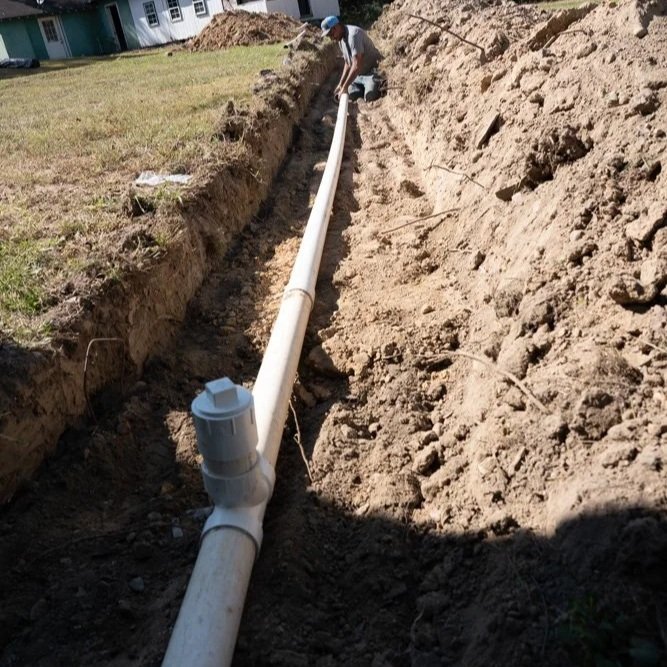
Fortunately, professionals who provide septic tank services in Lincoln, AL, have the tools, technology, and experience to uncover what's really going on and restore your drain field.
Every homeowner in Lincoln, Alabama, loves a good mystery—except when it's their septic system playing detective. Few things are as frustrating as a drain field that suddenly stops working with no apparent cause. One day, your system is fine, the next, you're dealing with soggy patches in the yard, foul odors, or sluggish drains. What happened underground? The truth lies beneath the surface, where biology, soil science, and system design all come together—or fall apart. Fortunately, professionals who provide septic tank services in Lincoln, AL, have the tools, technology, and experience to uncover what's really going on and restore your drain field.
The Anatomy Of A Drain Field
A drain field is a carefully balanced filtration system buried beneath your yard. It receives partially treated wastewater from your septic tank. It allows it to filter through gravel and soil, where bacteria break down contaminants before the water returns safely to the environment. When that balance is disrupted—by excess solids, poor soil absorption, or mechanical failure—the field stops processing efficiently.
Understanding how this underground ecosystem functions is the first step in solving the mystery. Professionals performing septic inspection in Lincoln, AL, use soil testing, flow monitoring, and visual assessment to determine whether the issue stems from the tank, the field, or somewhere in between.
The Usual Suspects Behind Failure
Drain field failures rarely happen overnight. They build slowly, often hidden from view until symptoms become obvious. Common culprits include sludge overload, compaction, hydraulic overloading, and root intrusion.
Sludge buildup occurs when the septic tank hasn't been pumped regularly. Without routine septic tank pumping in Lincoln, AL, solids flow into the drain field and clog the soil pores. Compaction, on the other hand, happens when vehicles or heavy equipment pass over the field, crushing the soil's natural air pockets and blocking water movement.
Hydraulic overloading is another frequent offender. When too much water enters the system too quickly—whether from household overuse, leaks, or rainfall—the field can't keep up. Instead of filtering, it floods. Tree roots searching for moisture add one final layer of chaos, infiltrating pipes and restricting flow.
The Role Of Alabama's Soil And Climate
Lincoln's heavy clay soil and unpredictable rainfall patterns make local drain fields uniquely vulnerable. Clay drains more slowly than sandy soil, meaning even minor buildup can cause big problems. Seasonal storms only add to the challenge, saturating the ground and leaving wastewater with nowhere to go.
Local professionals offering drain field repair in Lincoln, AL, understand these regional nuances. They design and maintain systems with soil type, slope, and drainage patterns in mind. When failures occur, they know how to interpret the evidence—moisture levels, flow data, and odor locations—to identify the true cause.
When Problems Hide Below The Surface
Sometimes, the real trouble lies deep underground where visual inspection isn't enough. That's where modern technology comes in. Camera septic inspection in Alabama allows technicians to see inside pipes, distribution boxes, and laterals without digging. Using high-definition imaging, they can pinpoint cracks, blockages, or root infiltration.
Septic system flow testing in Lincoln, AL, further reveals how efficiently water moves through your system. Technicians can measure the exact rate at which wastewater is being absorbed—or not—giving a clear picture of whether your field is suffering from mechanical issues, soil failure, or simple overload.
Biological Imbalance: The Silent Saboteur
A healthy drain field depends on a thriving community of aerobic bacteria that digest organic matter and maintain soil permeability. When harsh cleaners, disinfectants, or excessive grease enter the system, they disrupt that ecosystem. Without enough beneficial bacteria, solids accumulate faster, and water struggles to percolate.
Professionals offering eco-friendly septic solutions in Lincoln often recommend biological treatments to restore balance. These natural additives replenish beneficial microbes and enzymes that support the system's recovery. Paired with proper pumping and maintenance, they can reverse early signs of failure before excavation becomes necessary.
The Mystery Of The "Phantom Flood"
One of the most confusing issues for homeowners is the phantom flood—a sudden appearance of standing water over the drain field without any rain or recent system overload. The culprit is often groundwater infiltration. Cracked lids, broken risers, or improperly sealed joints allow water from above to enter the system, overwhelming it from within.
During a septic inspection in Lincoln, Alabama, professionals check for leaks and damaged seals that allow surface water to mix with wastewater. They also verify the grading of your yard to confirm water is draining away from the field rather than toward it. Fixing these small issues can stop phantom flooding almost instantly.
Preventing Repeat Failures
Solving the mystery once is good, but preventing it from returning is even better. Regular maintenance remains the single most effective defense. Septic tank maintenance programs in Alabama provide scheduled inspections, pumping, and flow testing to track system health over time.
Professionals use these programs to collect data on your system's performance, identifying changes in flow rate, sludge levels, or soil moisture before they escalate into major problems. Combined with routine sludge removal in Alabama, these services keep your drain field clean, balanced, and predictable.
The Science Of Restoration
When damage has already occurred, rejuvenation may be the next step. Techniques such as soil fracturing, aeration, and biorestoration can revive failing fields without replacement. Drain field repair in Lincoln, AL, often involves injecting air into the soil to restore oxygen flow and permeability. This process reactivates natural bacteria and breaks up compacted layers, giving your system a second chance.
For systems with persistent clogs, biological restoration introduces enzyme-based treatments that digest organic buildup and improve filtration. Together, these methods offer a scientific, cost-effective alternative to full replacement.
Knowing When Replacement Is The Only Option
Even the best detective work can't save a drain field that's reached the end of its natural life. If soil absorption has permanently failed or the lines have collapsed, replacement becomes inevitable. Professionals offering septic tank installation in Lincoln, AL, design new systems that fit modern standards and local soil conditions.
While replacement costs more upfront, it's also a fresh start. Combined with eco-friendly upgrades, modern designs offer greater efficiency, durability, and sustainability for long-term peace of mind.
Why Local Expertise Cracks The Case
Every septic mystery in Lincoln comes with its own clues, from soil type to seasonal rainfall. Local experts have the regional experience to interpret those clues correctly. They know which red flags signal immediate danger and which can be resolved through simple maintenance.
Working with professionals offering septic tank services in Lincoln, AL, gives you more than just repairs—it gives you insight into how your system really works. They solve the mystery, fix the problem, and teach you how to keep it from returning.
Revealing The Ground Truth
There's no single culprit behind every drain field failure. Sometimes the soil is at fault, sometimes it's the weather, and sometimes it's just time catching up. But with modern diagnostic tools, eco-friendly solutions, and local expertise, the mystery doesn't stay unsolved for long.
When your system starts acting up, don't jump to conclusions. Seek out professionals who can dig into the data—not your yard—to uncover the real issue. In Lincoln, AL, the ground truth is simple: when science and experience meet, even the most mysterious septic problems can be solved.
Ensure a safe and healthy home environment with septic tank maintenance, septic tank inspections, and septic tank drain field services from 3rd Generation Septic. Serving Lincoln, AL, and the surrounding areas, our goal is to maintain the efficiency and longevity of your septic systems. Call today!