
Welcome to
Inspiration Station

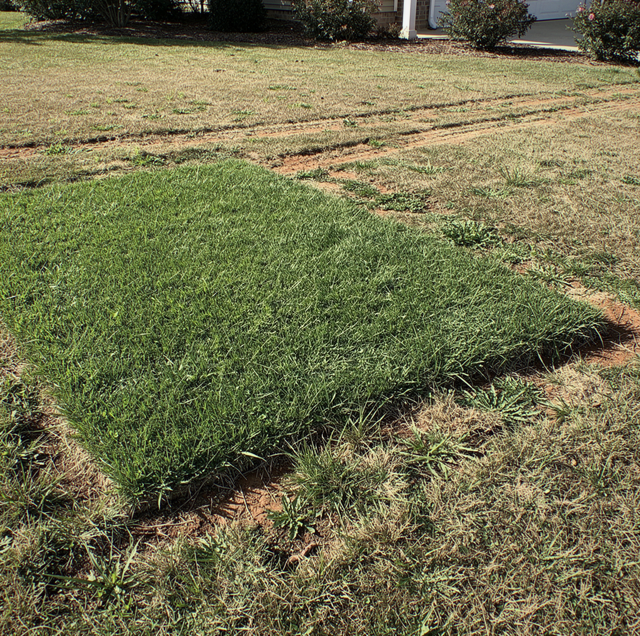
Signs of a Cracked Septic Tank: Leaking Out or In?
The pump truck came out in the spring and drew the tank down to the floor.
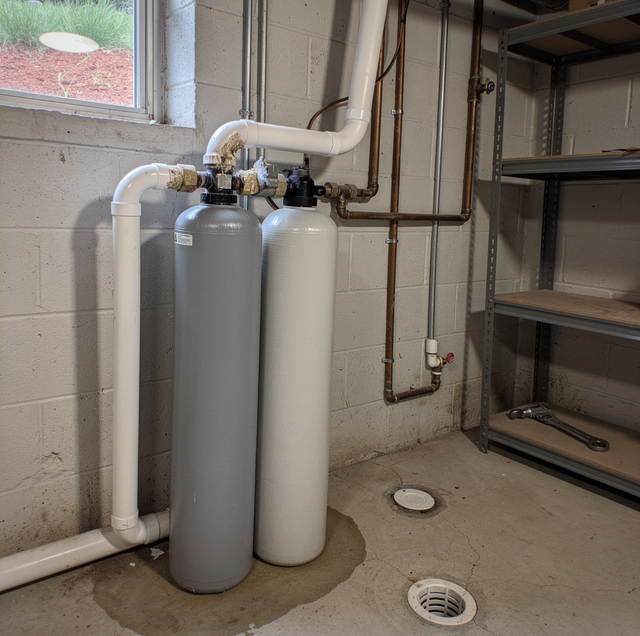
Water Softener Backwash: What It Does to a Septic Tank
A water softener stands in your utility room with a brine tank beside it and a length of tubing running from its valve down to a drain.
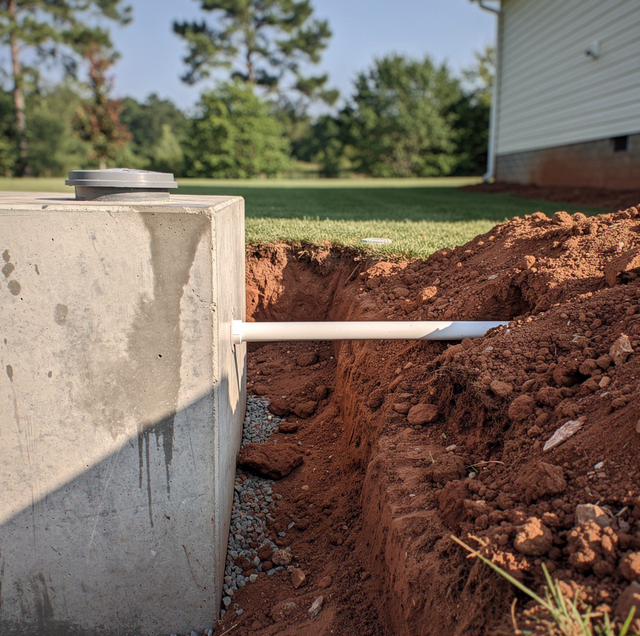
How a Septic System Actually Works: 4 Hidden Stages
A flushed toilet or a drained washing machine looks like the end of the story. It isn't.
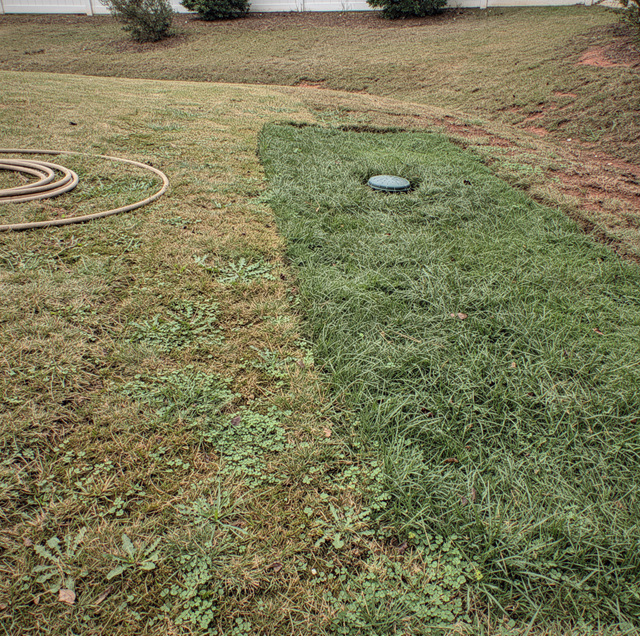
Signs Your Septic System Needs Service Before It Fails
The bathtub takes an extra thirty seconds to drain after the kids get out, and nobody thinks twice about it.
What a Real-Estate Septic Inspection Involves (And Why)
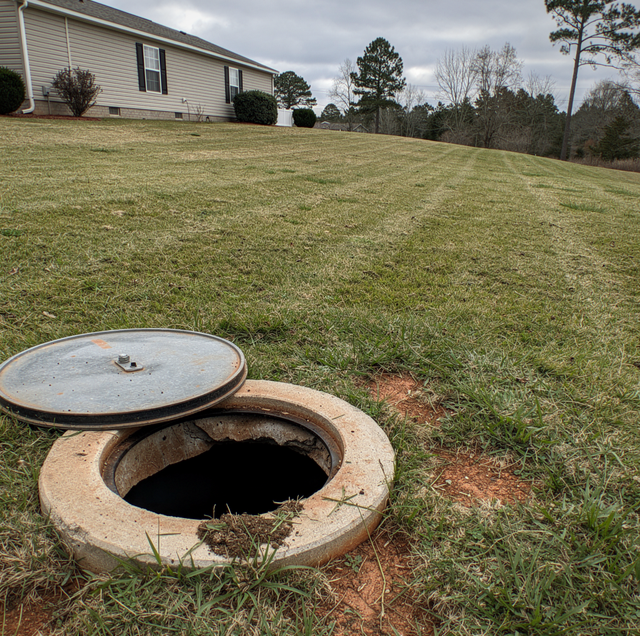
A home sale runs on deadlines, and a septic system does not care about any of them.
What Causes Septic Odors Inside the Home: 5 Common Sources
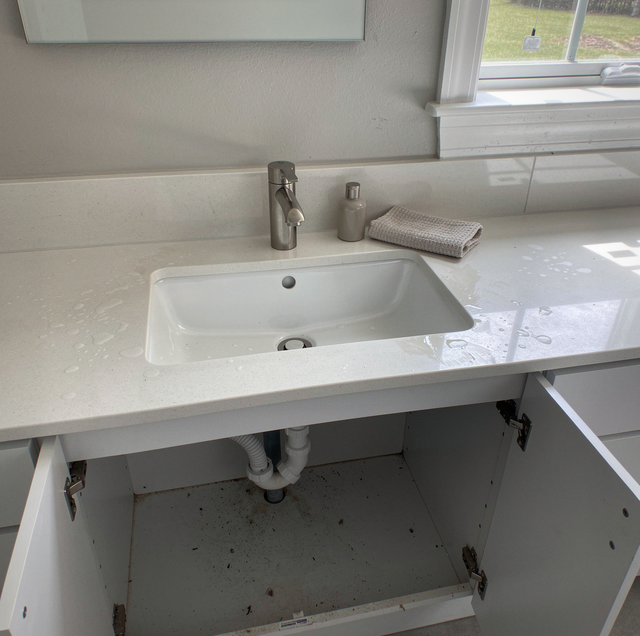
A sewage smell inside the house rarely means the same thing twice. Sometimes it fades the moment you run water through a drain.
Why Regular Pumping Beats Waiting for a Septic Failure
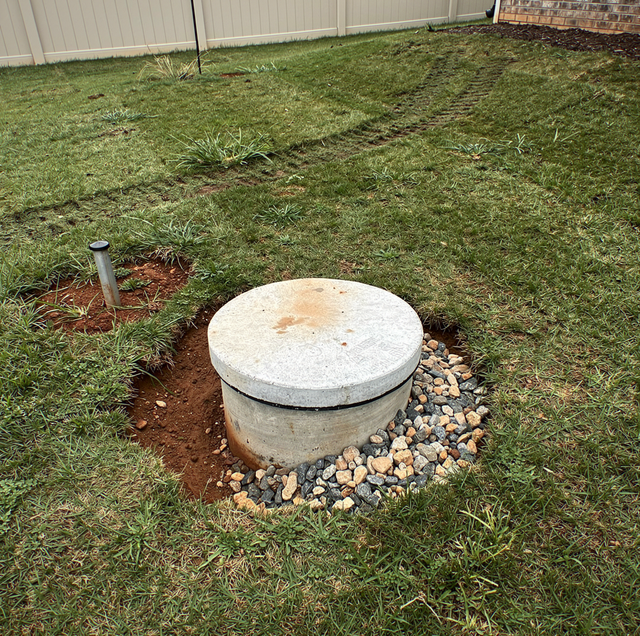
A full septic tank never announces itself with a warning light. It sits underground doing the same quiet job it has done for years, right up until the day it can't.
Septic Effluent Filter: The Cheap Guard for Your Drain Field
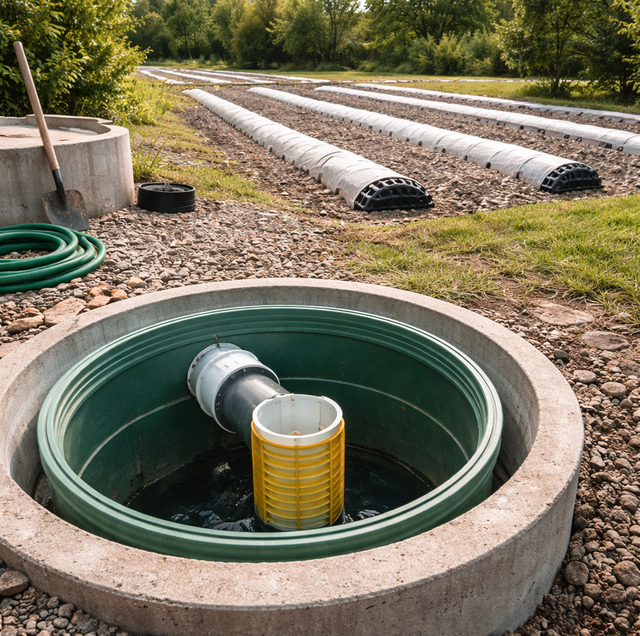
A septic system has one part that costs far more than the rest to replace, and it sits mostly out of sight in the soil: the drain field.
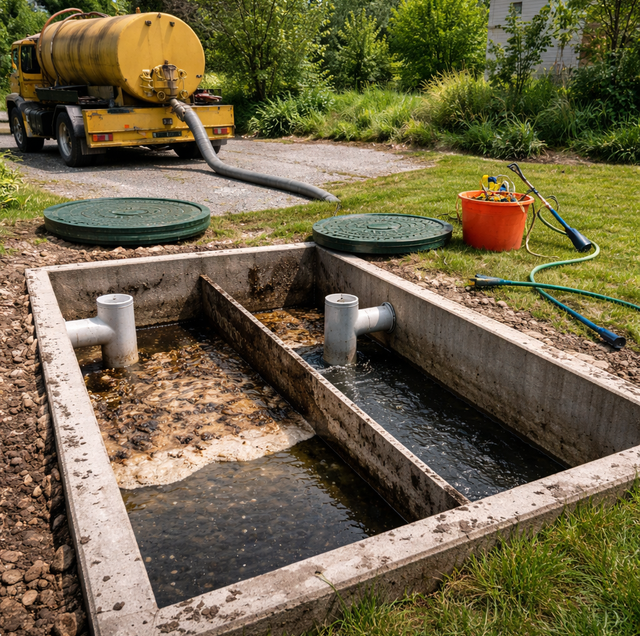
What a Septic Inspection Actually Checks (Full List)
The word "inspection" hides a lot of range. Two people can both say their septic system was inspected and mean very different things: one had a technician lift the lid, glance at the liquid, and call it fine; the other had every layer measured, the field walked, and the flow tested end to end.

What Is a Septic Distribution Box? The Part That Saves Your Field
Your septic system has three working stages: the tank, the distribution box, and the drain field.
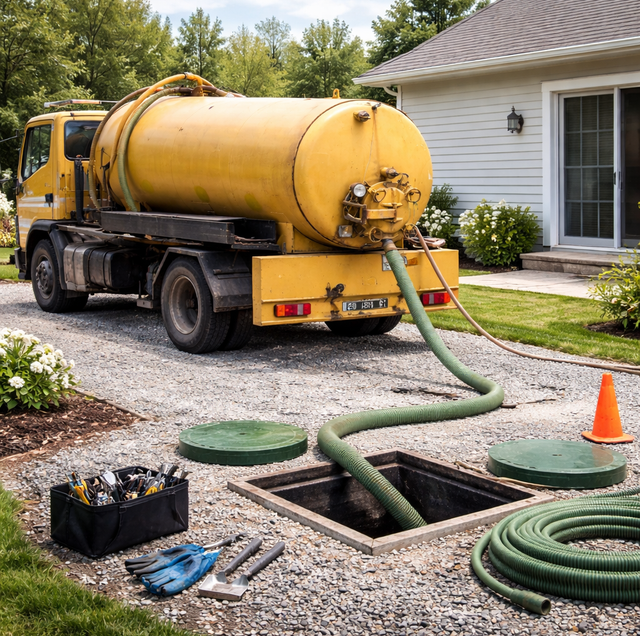
Septic System Maintenance: Do’s and Don’ts That Add Years
A septic system runs on something you never see: a colony of bacteria doing slow, steady work underground.
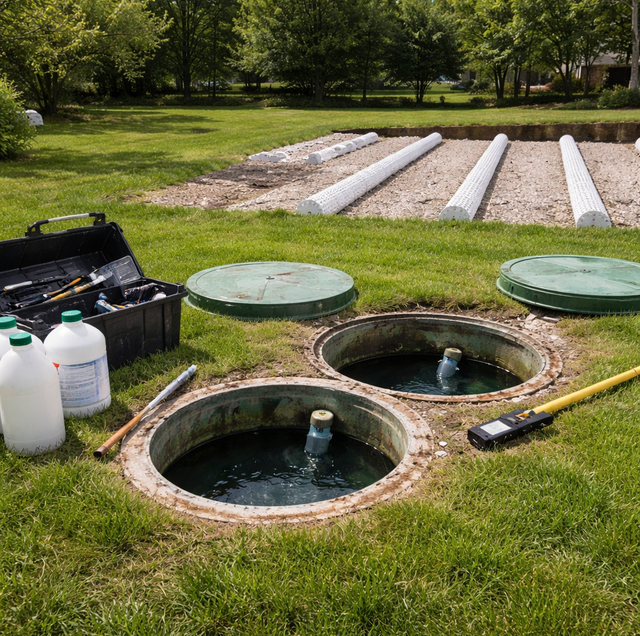
Do Septic Tank Additives Work? What the Bottle Won’t Say
Every hardware store shelf and grocery aisle has a spot for septic tank additives: powders, packets, and jugs that promise to keep your system running, cut odors, and stretch the time between pump-outs.
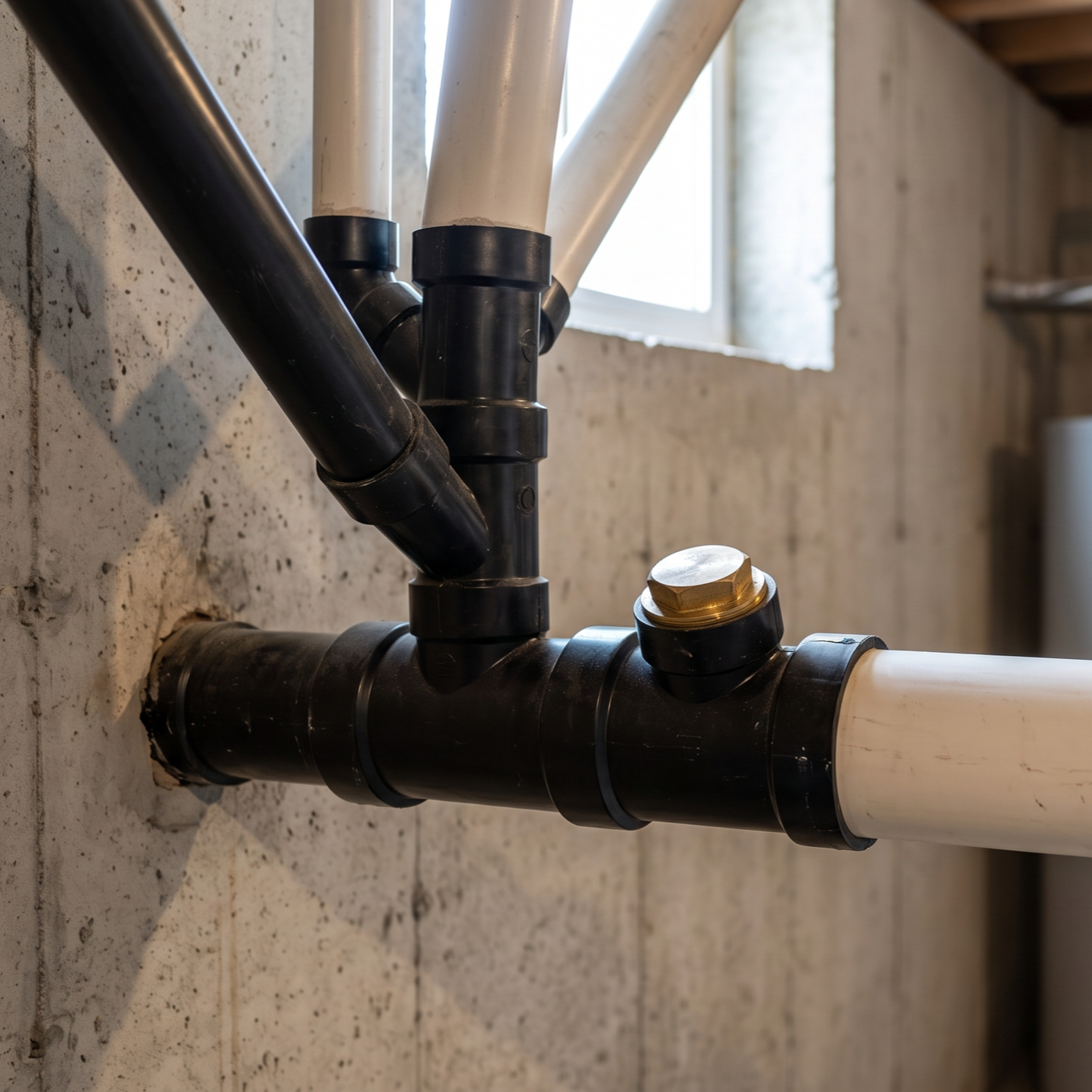
Why Are My Drains Slow Throughout the House? The Real Cause
One slow sink is annoying. Every sink, tub, and toilet in the house that is draining sluggishly at the same time is a different animal, and they point to different places. When the problem shows up at a single fixture, the trouble is almost always local: a wad of hair, grease, or soap in that one trap or branch line. When the whole house slows down together, the fixtures themselves are fine. The trouble sits downstream of all of them, in the main line that carries everything to the tank or in the septic system itself. Understanding that difference is the fastest way to stop treating the wrong problem, so this article walks through why it happens before it gets to what to do about it.
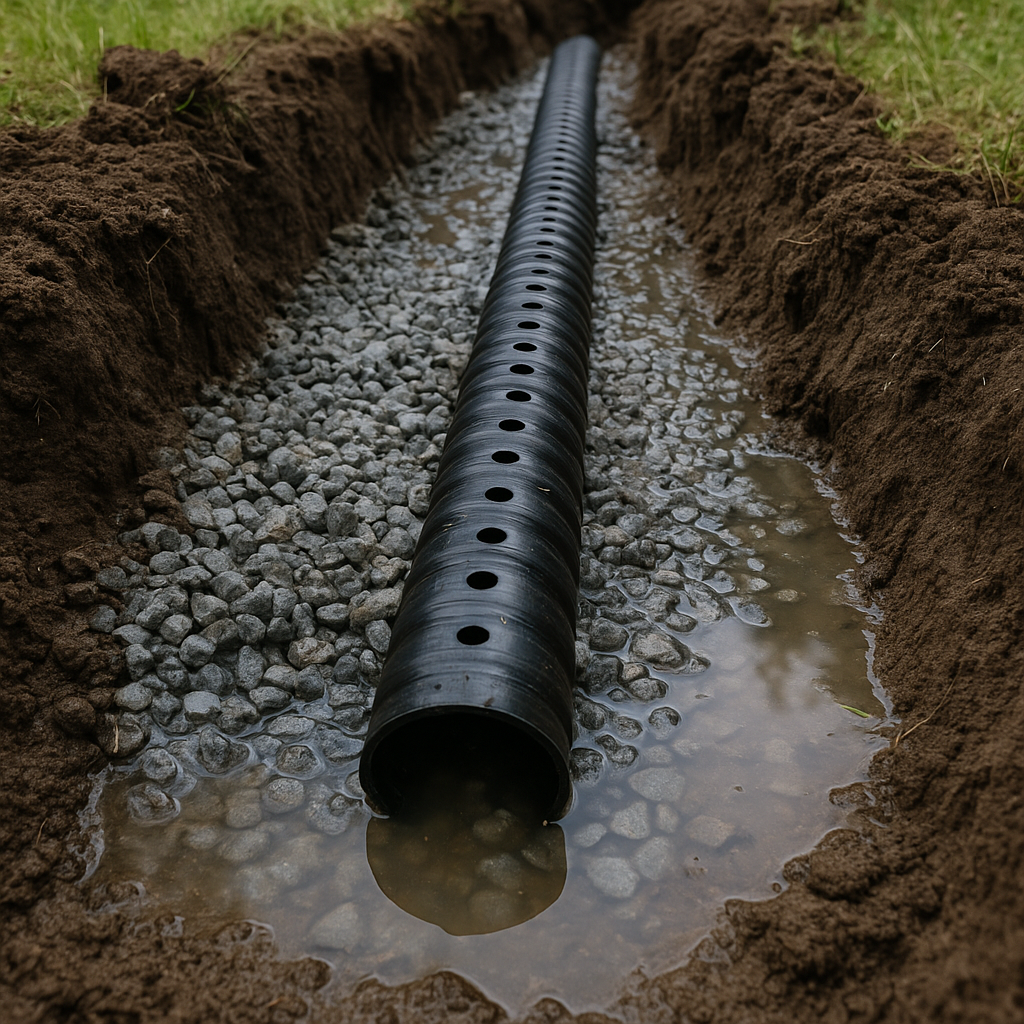
What Causes a Drain Field to Fail? 7 Real Reasons
Your drain field is the quiet half of a septic system, and the half people forget until it stops working. The tank gets the attention because it needs pumping. The field sits underground doing its job for years, so when it finally gives out, the failure feels sudden. It usually isn't. A drain field almost always dies slowly, and it leaves a trail of hints before the yard turns swampy. Understanding what breaks down the field (and how the causes differ) lets you catch a problem while it is still a repair rather than a replacement.
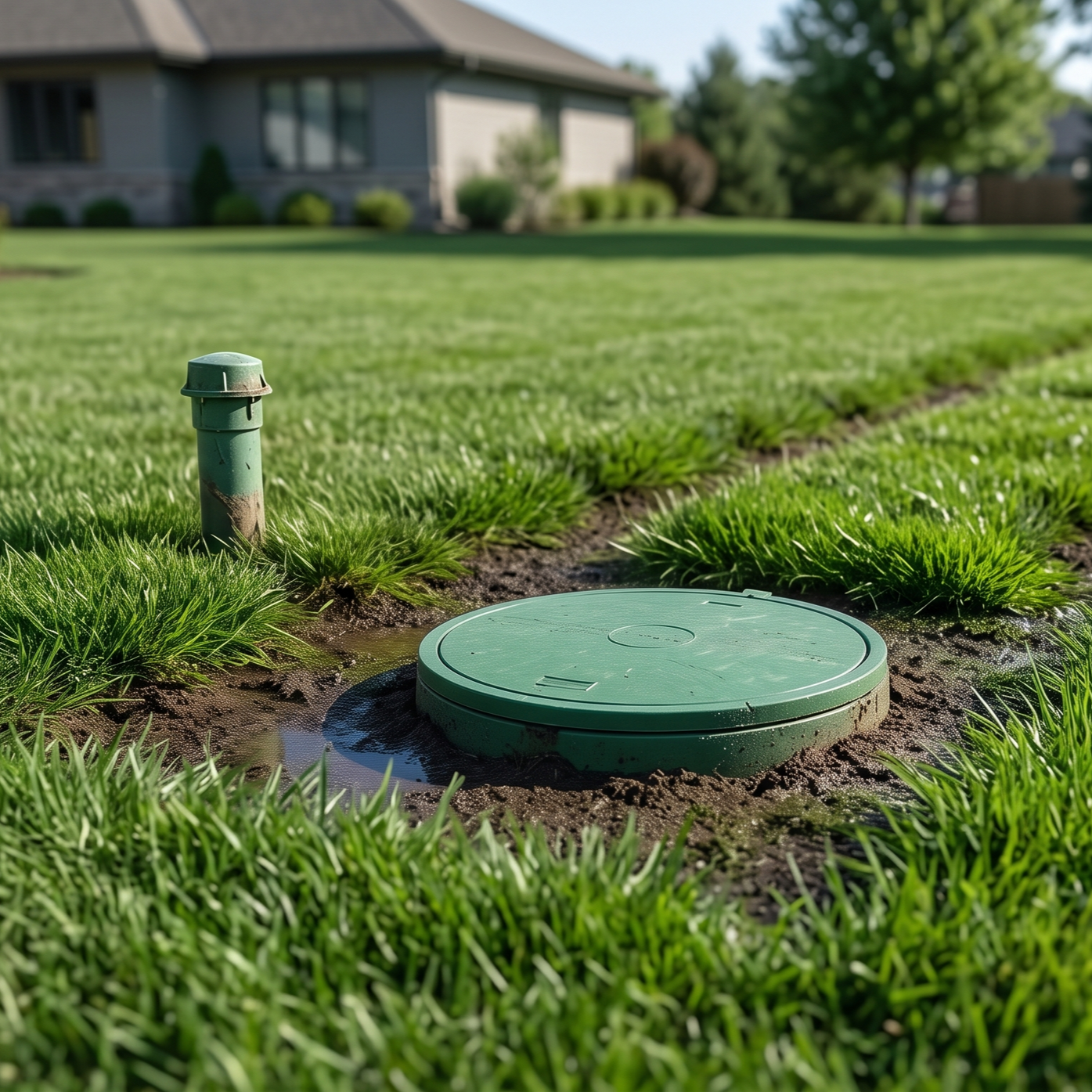
Why Do I Smell Sewage in the Yard? What the Odor Is Warning You About
You walk out to the mailbox, or you are pulling weeds near the back fence, and it hits you: the unmistakable stink of sewage rising off your own lawn. It is not subtle, and it does not belong there. On a home tied to a septic system, that outdoor odor is almost never random. It is a signal that gas or effluent is getting out where it should be sealed in.
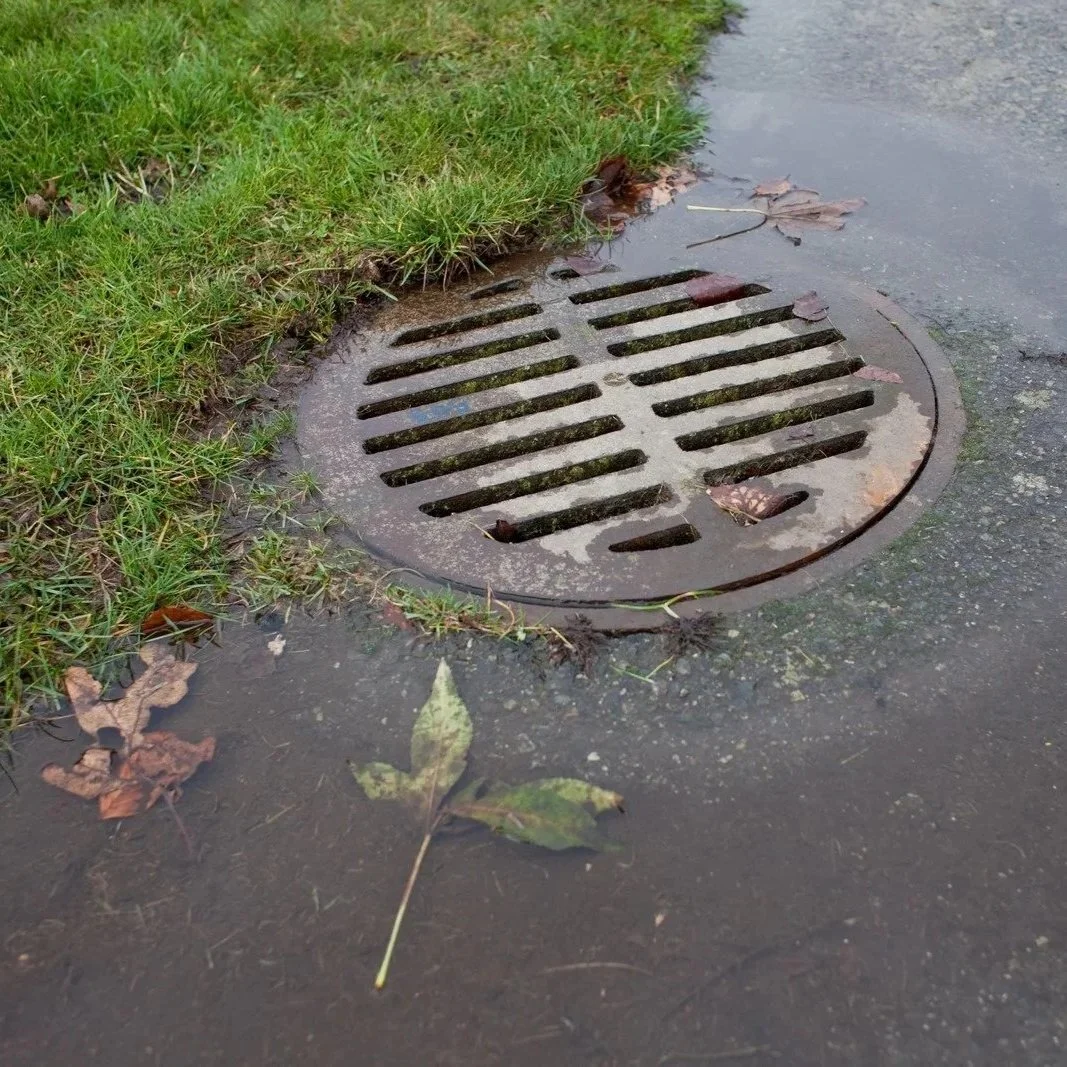
Drain Field Soggy or Smelly? What It Means
The drain field is the part of your septic system where treated wastewater soaks into the soil — and it's supposed to do that out of sight, with the ground above looking like an ordinary lawn. So when the field turns soggy, mushy, or smelly, something is clearly wrong. Knowing why helps you spot a serious septic problem and act before it gets worse.
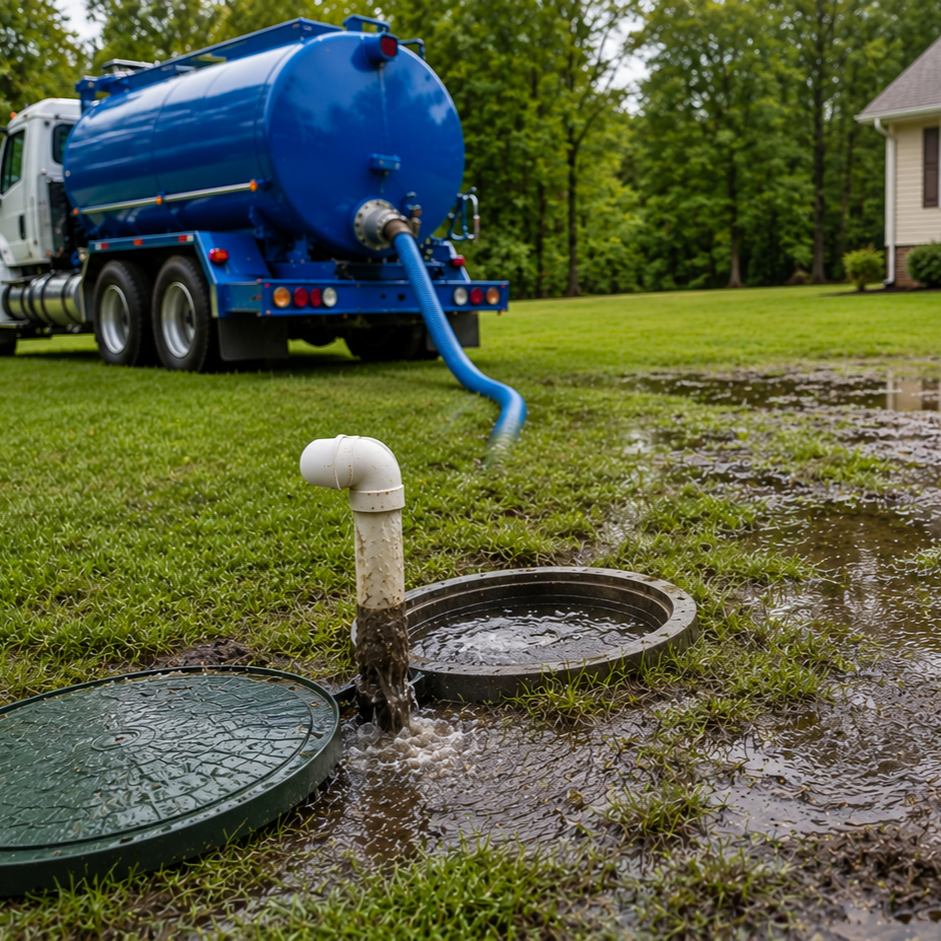
Why Does Your Septic Back Up After Heavy Rain?
It's a frustrating and confusing situation: heavy rain comes through, and suddenly your septic system backs up. The connection isn't obvious until you understand how a septic drain field works — and once you do, it makes sense why a saturated yard can overwhelm the system. This is why heavy rain causes septic backups, and what can reduce the problem.

What You Should Never Flush Into a Septic System
A septic system is a living, working process, and it leans on natural bacteria to break down waste — so what you put into it has a direct say in how well it runs. Plenty of everyday items that look harmless can clog the system or kill off the bacteria it depends on, and that's how you end up with backups and expensive damage. Knowing what should never go down there is one of the easiest ways to protect it. Here's what to keep out.
Signs Your Septic Tank Is Full or Failing
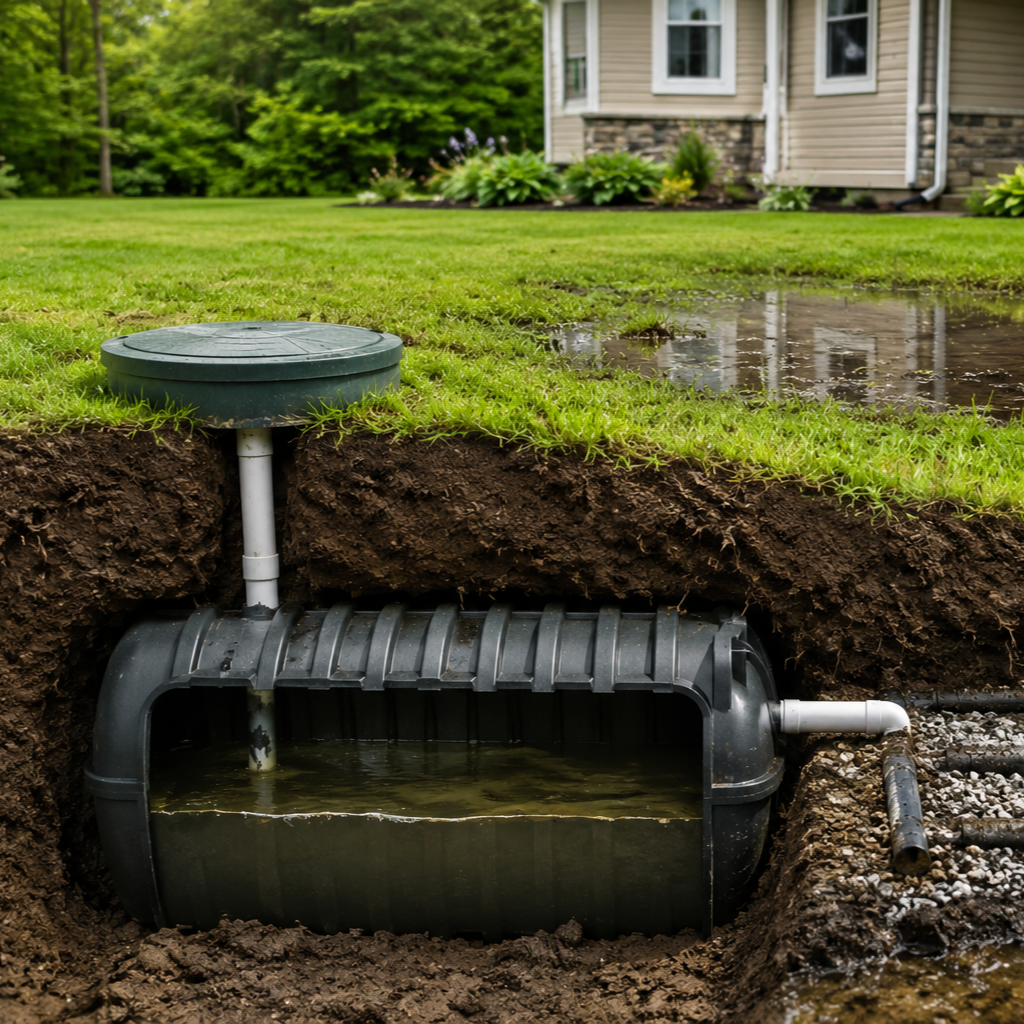
A septic system works quietly out of sight, and most days you never think about it — until it starts showing signs of trouble. Learn to read those signs, and you can step in before a messy, expensive backup or a failed drain field. The warnings tend to build on each other, so catching them early keeps the fix manageable. Here is what to watch for.
How Often Should a Septic Tank Be Pumped?
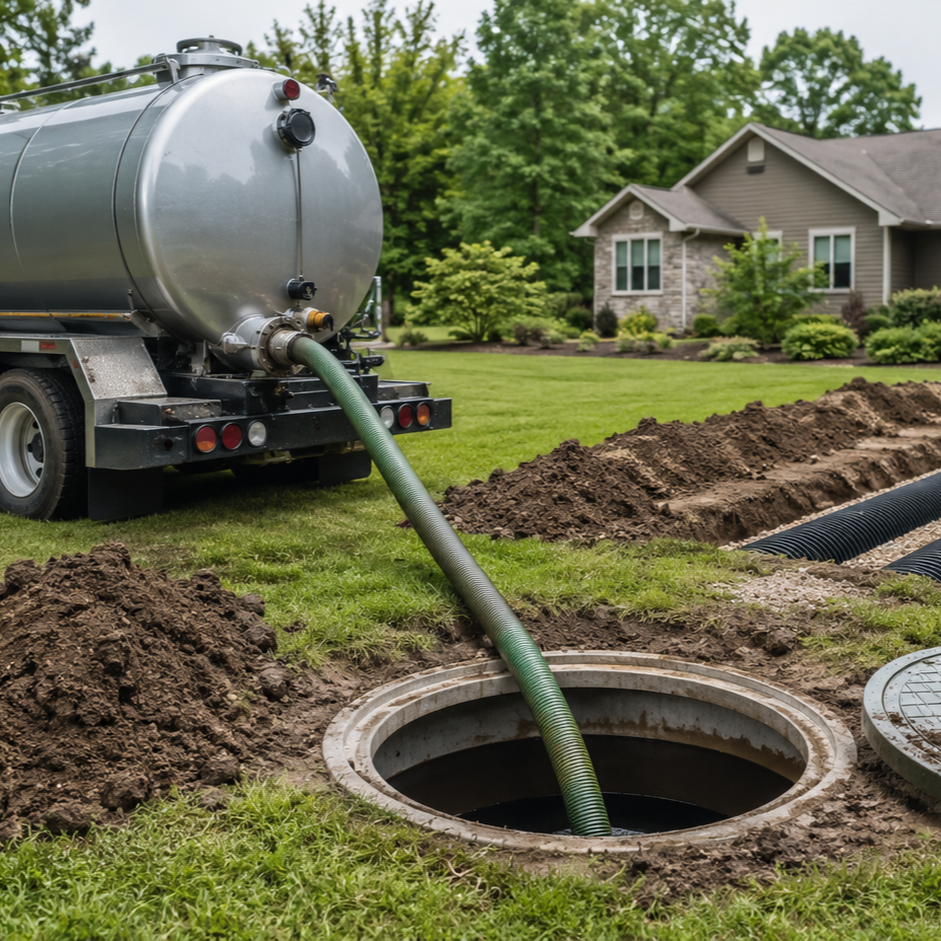
Your septic system handles the house's wastewater day after day without you thinking about it. The one thing that keeps it working is getting the tank pumped on a regular schedule. Skip that, and you're looking at backups and a repair bill that hurts. So, how often does it need to be done? Every few years is the short answer. The right number for your home depends on a handful of things. Here's how to land on it.
