
What You Should Never Flush Into a Septic System
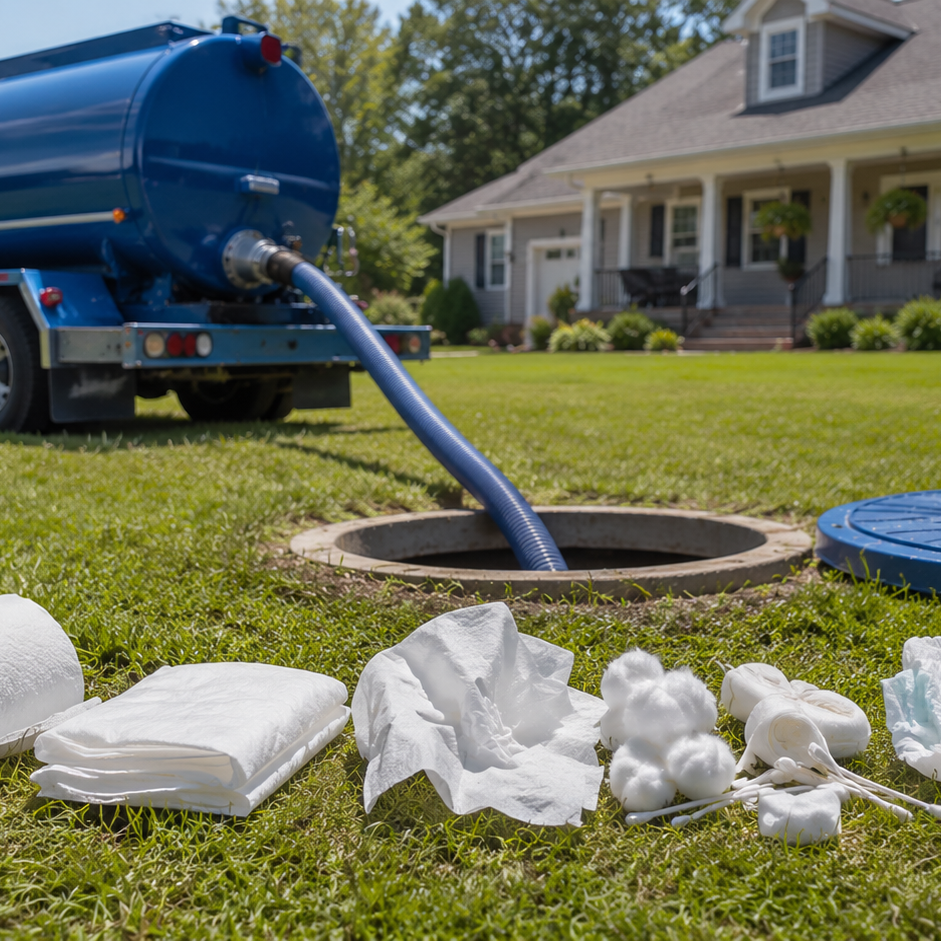
Quick Answer: A septic system relies on natural bacteria to break down waste, so the rule is to flush only human waste and toilet paper. Never flush so-called "flushable" wipes, paper towels, feminine hygiene products, diapers, cotton balls or swabs, dental floss, or other non-degradable items — they don't break down and clog the system. Don't pour grease, fats, or oils down the drain, since they solidify and cause clogs. Keep harsh chemicals, paints, solvents, and large amounts of bleach or cleaners out, because they kill the bacteria the system depends on. Avoid putting coffee grounds, eggshells, and heavy food waste down the drain. What goes into the system either breaks down or causes problems — so keep the problem items out.
A septic system is a living, working process, and it leans on natural bacteria to break down waste — so what you put into it has a direct say in how well it runs. Plenty of everyday items that look harmless can clog the system or kill off the bacteria it depends on, and that's how you end up with backups and expensive damage. Knowing what should never go down there is one of the easiest ways to protect it. Here's what to keep out.
The Basic Rule: Only Waste and Toilet Paper
The simplest guideline is this: only human waste and toilet paper should go down the toilet. Toilet paper is made to break down in the system, and human waste is exactly what the system is built to handle. Everything else is a problem waiting to happen. The system runs on bacteria that break down what comes in, so items that don't degrade pile up and clog the tank and pipes, and substances that harm the bacteria throw off the whole process. So when you're not sure, keep it out — if it isn't waste or toilet paper, it doesn't belong in the toilet.
Items That Don't Break Down
A big category to steer clear of is anything that won't break down. The worst offender is "flushable" wipes — label or no label, they don't degrade like toilet paper, and they are a notorious cause of septic clogs. Keep out paper towels, feminine hygiene products, diapers, cotton balls and swabs, dental floss, and anything else that doesn't dissolve. These don't break down in the tank. They just collect there, adding to clogs and filling the tank faster, and flushing them is a common way septic problems start. The toilet isn't a trash can — these belong in the garbage, not the system.
| Never put in | Why |
|---|---|
| "Flushable" wipes | Don't break down; clog the system |
| Paper towels, feminine products, diapers | Non-degradable; accumulate and clog |
| Cotton balls, swabs, dental floss | Don't degrade; cause clogs |
| Grease, fats, oils | Solidify and clog pipes and tank |
| Harsh chemicals, solvents, paints | Kill the bacteria the system needs |
| Coffee grounds, eggshells, heavy food waste | Don't break down well; build up |
Grease, Fats, and Oils
Grease, fats, and cooking oils should never go down the drain into a septic system. They pour like liquids, sure, but they cool and harden inside the pipes and tank, building up and clogging things as they go. Grease buildup is behind a lot of plumbing and septic trouble. Instead of pouring it down the drain, let it cool and toss it in the trash. Keep fats and oils out, and you head off the hardened buildup that blocks pipes and burdens the tank. It's an easy habit, and it protects the system.
Chemicals That Kill the Bacteria
Since a septic system runs on living bacteria to break down waste, anything that kills those bacteria throws the system off. Harsh chemicals, paints, solvents, and big doses of bleach, drain cleaner, or other strong cleaners can wipe out the good bacteria the system needs. Without enough of them, waste stops breaking down properly, and the system can fail. So keep these out of the drains and toilet. Reach for septic-safe products whenever possible, and never pour chemicals, paints, or solvents down the drain. Protecting the bacteria is essential to a working system, which makes this one of the most important things to avoid.
Other Items to Keep Out
A few more things are worth avoiding. Coffee grounds, eggshells, and large amounts of food waste don't break down well and can build up in the tank, so go easy on the garbage disposal and keep heavy food waste out of a septic system. As a rule, anything that doesn't break down naturally or that harms bacteria is something to keep out. The pattern across all of it is the same: the system can only handle what breaks down through its natural process, so items that don't degrade or that kill the bacteria cause trouble. Watch what goes down your drains and toilet, and you protect the whole system.
Treat your toilet and drains as if the rule is "only waste, toilet paper, and water." Keep a small trash can in the bathroom for wipes, hygiene products, and other items so they don't get flushed, and a container for grease in the kitchen. These simple habits prevent the clogs and bacteria damage that cause most septic problems.
Why This Protects Your System
Being careful about what goes into your septic system isn't just good practice — it's what heads off the clogs, buildup, and bacterial damage behind backups and costly failures. Non-degradable items and grease clog the tank and pipes, and fill the tank faster, which means backups and more frequent pumping. Chemicals that kill bacteria disrupt the breakdown process and can bring the system down. Keep these problem items out and you let the system work the way it was designed to, sidestepping the expensive damage that comes from misuse. Paired with regular pumping, mindful use of your drains is a key part of keeping a septic system healthy. A septic pro can advise on care and handle any problems that come up.
Frequently Asked Questions
Only human waste and toilet paper should be flushed. Never flush "flushable" wipes (they don't break down), paper towels, feminine hygiene products, diapers, cotton balls or swabs, dental floss, or other non-degradable items. Also, keep grease, fats, oils, harsh chemicals, paints, and solvents out of the drains. These either clog the system or kill the bacteria it depends on, causing backups and damage.
No, despite the label. "Flushable" wipes don't break down as toilet paper does, and they're a notorious cause of septic clogs. They accumulate in the tank and pipes, contributing to clogs and filling the tank faster. Wipes should go in the trash, not the toilet, even if marketed as flushable. This is one of the most common causes of septic problems.
Grease, fats, and oils may be liquid when poured but cool and solidify in the pipes and tank, building up and causing clogs. Grease buildup is a frequent cause of plumbing and septic problems. Instead of pouring it down the drain, let the grease cool and dispose of it in the trash. Keeping fats and oils out prevents the solidified buildup that blocks the system.
Yes. A septic system relies on living bacteria to break down waste, and harsh chemicals, paints, solvents, and large amounts of bleach or drain cleaners can kill those bacteria. Without enough bacteria, waste doesn't break down properly, and the system can fail. So these substances should be kept out, and septic-safe products used where possible. Protecting the bacteria is essential to a working system.
Heavy use can be hard on it. Coffee grounds, eggshells, and large amounts of food waste don't break down well and can build up in the tank, so it's best to go easy on the garbage disposal with a septic system and avoid putting heavy food waste down the drain. Keeping food waste out of the system reduces the load and the buildup that can cause problems.
Because the system can only handle what breaks down through its natural bacterial process. Items that don't degrade clog the tank and pipes, filling the tank faster, while chemicals that kill bacteria disrupt the breakdown process. Both lead to backups and costly failures. Keeping problem items out lets the system work as designed, which, with regular pumping, keeps it healthy and avoids expensive damage.
Keep the Problem Items Out
Protecting your septic system comes down to a simple principle: only human waste and toilet paper should go down the toilet, and only things that break down or won't harm the bacteria should go down the drains. Keep out wipes, hygiene products, grease, chemicals, and heavy food waste, since they clog the system or kill the bacteria it needs. Combined with regular pumping, being mindful of what you flush and pour is one of the easiest ways to avoid backups and costly repairs.
Want to keep your septic system healthy?- Get guidance on care and have any problems addressed, plus regular pumping. 3rd Generation Septic serves Lincoln, Pell City, Talladega. Call (256) 330-6960.
