
Why Regular Pumping Beats Waiting for a Septic Failure
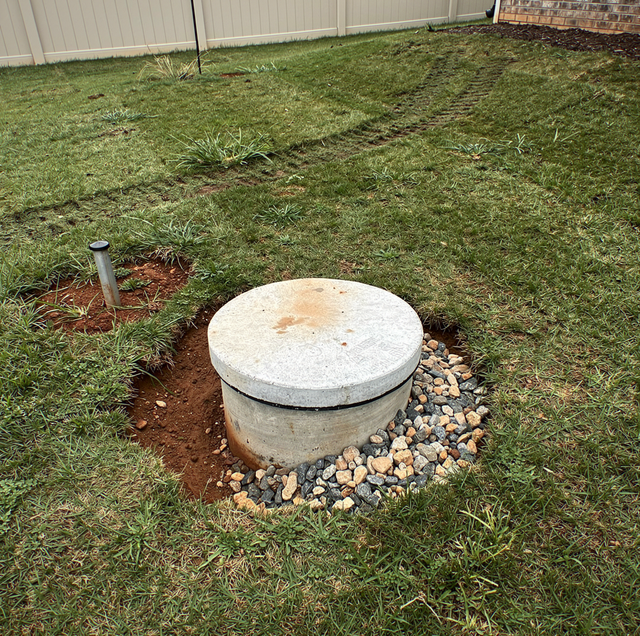
A full septic tank never announces itself with a warning light. It sits underground doing the same quiet job it has done for years, right up until the day it can't. By the time water backs up into a shower or a patch of yard turns spongy over the drain field, the problem has usually been building for months. Two households can own nearly identical systems on nearly identical lots and end up in very different places a decade later. One keeps a routine pump-out schedule and calls it done. The other lets a service date slip, tells themselves the system seems fine, and only calls once a backup forces the issue. Same tank design, same soil type, very different outcome. The gap between those two households isn't luck. It comes down to what is actually happening inside the tank between services.
What A Septic Tank Is Actually Managing
Wastewater entering a tank separates into three layers almost immediately. Solids heavier than water settle to the bottom as sludge. Fats, oils, and lighter solids float to the top as scum. In between sits a layer of relatively clear liquid, called effluent, which the tank is designed to send to the drain field once the bacteria inside the tank have partially broken it down. The tank's entire job is to hold wastewater long enough for separation to occur and for solids to remain in place, with only the clarified middle layer exiting through the outlet baffle.
That holding period is called retention time, and it depends on how much empty working space sits between the sludge on the bottom and the scum on top. A tank sized for a household starts life with plenty of that space. Every week of normal use adds a little more sludge and a little more scum, and neither layer breaks down completely on its own. Bacteria digest some of it, but a meaningful share simply accumulates, layer by layer, year after year. A pump-out doesn't repair anything. It resets the clock by physically removing those layers, restoring the tank to its working volume.
Two Paths From The Same Starting Point
Picture the tank's working space as a fixed container that fills slowly no matter what. From there, a household has two paths.
The proactive path: Solids are removed before they close the gap between the layers. Retention time stays where it should be, the outlet baffle keeps drawing off clear effluent rather than anything heavier, and the downstream drain field keeps receiving the same well-treated liquid it was designed to absorb.
The reactive path: Nothing changes until the tank is nearly solid. As the sludge and scum layers grow, the clear middle layer shrinks, and eventually there isn't enough of it left to buy any margin. Solids start riding out with the effluent, past the baffle, and into the pipes and gravel trenches of the drain field.
Both paths start from the same tank. The difference is which side of that shrinking margin a household is standing on when something finally forces a call.
Why The Drain Field Is Where The Real Damage Happens
A drain field works because soil bacteria and physical filtration finish treating effluent as it seeps through perforated pipe into gravel-lined trenches and then into the surrounding ground. That process depends on the effluent arriving already mostly clear of solids. When a tank stops holding up its end and lets solids pass, those particles settle into the soil pores the field relies on for absorption, and a layer of clogged material called a biomat begins to form faster than the soil can handle.
A little biomat is normal and even helps regulate flow. A biomat overloaded with solids that should never have left the tank is a different problem. Once soil pores are packed with solid material, especially in clay-heavy ground where pore spaces are already smaller, and drainage is slower, water stops moving through at the rate the system needs. That is the difference between a full tank, which a pump-out corrects, and a saturated drain field, which often cannot be reversed with any tank service at all. A tank problem is a maintenance call. A field problem is frequently a full field replacement, new trenches, new pipe, sometimes an entirely new leach area sized and placed by a technician because the old ground can no longer do the job.
Quick Reference: Where Each Path Leads
| Stage | Proactive Path | Reactive Path |
|---|---|---|
| Tank working space | Restored on schedule via pump-out | Shrinks continuously until nearly gone |
| Effluent quality leaving the tank | Stays clear, low in solids | Carries solids once retention time runs out |
| Drain field soil pores | Receive treated liquid as designed | Accumulate solids, biomat overloads |
| Typical fix required | Routine tank service | Field evaluation, possible trench or field replacement |
| Groundwater exposure | Low, effluent filters through healthy soil | Higher, if field can no longer treat effluent fully |
| Household disruption | A scheduled visit | Backups, odors, standing effluent, longer repair timeline |
The Real Difference Isn't The Service Call, It's What It Prevents
A pump-out is a contained, predictable event: a technician opens the tank's access riser, checks sludge and scum depths, removes the material, and inspects the baffles and outlet on the way out. A drain field failure is not contained. It plays out over days or weeks as symptoms surface, backups happen, or wet spots spread across the yard, and the fix afterward involves excavation, new materials, and a system that has to be re-engineered for the same lot rather than simply serviced. One is routine upkeep on a schedule you control. The other is an emergency that arrives on its own timeline and takes a system offline while it's addressed.
There's also the matter of where untreated effluent goes once a field stops absorbing properly. Groundwater sits below every drain field, and the entire design of a septic system, tank plus field, exists to make sure wastewater is fully treated before it gets anywhere near that water table. A tank that is pumped on schedule maintains that protection. A field pushed past its limit by years of solids it was never supposed to receive puts that protection at risk, which is part of why septic maintenance carries weight beyond just keeping drains clear.
How Pumping Interrupts The Chain Before It Starts
Removing sludge and scum on a set schedule does one simple thing: it keeps the shrinking margin inside the tank from ever reaching zero. That single action interrupts every step that follows. No solids escaping the outlet baffle. No overloaded biomat forming in the trenches. No uneven load hitting one section of the field while others sit idle. Every part of the system downstream of the tank keeps working as it was designed to because the one component that could send it off course never got the chance.
Interval matters here too. Pump-outs are generally recommended every three to five years, with the exact number shaped by tank size, household size, and how much water and waste the home sends through daily. A larger household or a smaller tank closes that working-space margin faster and needs service sooner; a smaller household with a larger tank can often stretch closer to the far end of that range. The point isn't hitting an exact number. It's making sure the tank never reaches empty margin between visits, regardless of which end of that range fits a given home.
What A Pump-Out Actually Checks Along The Way
A pump-out is also the point where a technician gets eyes on the parts of the system that otherwise stay hidden. That includes the inlet and outlet baffles, which need to stay intact to keep solids from drifting toward the field. It includes the effluent filter, if the tank has one, which traps fine solids before they reach the outlet and requires its own periodic cleaning, separate from a full pump-out. It includes a visual read on tank condition, riser seals, and any signs that the drain field side is already under stress, like unusually damp soil near the trenches. None of that inspection happens if the tank never gets opened. Skipping pump-outs doesn't just let solids build. It removes every scheduled opportunity to catch something else early, whether that's a cracked baffle, a loaded filter, or a field showing the first signs of strain before it becomes the main problem.
Every septic system is built to run for decades with relatively little attention. The tank's working margin is the one variable that determines whether that attention stays cheap and routine or becomes a full-field rebuild. Staying ahead of that margin is not about being cautious for its own sake. It's about making sure the mechanism the system depends on- retention time, clear effluent, healthy soil pores- never runs out on its own schedule instead of yours.
Frequently Asked Questions
No. A pump-out only restores the tank's working space; it has no effect on solids that have already settled into the soil pores of a field. Once a biomat has overloaded a trench, the fix is a field evaluation and, in many cases, replacement of that trench or leach area rather than any additional tank service.
A technician typically checks the tank first by measuring effluent level against the outlet pipe during the riser inspection, then confirms field condition separately with a dye test or by checking soil moisture over the trenches. The two checks point to different repairs, so distinguishing them before doing any work prevents an unnecessary field dig when the tank was the actual issue.
Yes. Running several loads of laundry back-to-back, or other high-volume tasks compressed into a short window, sends a surge of water through the tank and field at once. That surge doesn't add sludge, but it can temporarily reduce the field's absorption margin, which is part of why spreading heavy water use across the week eases pressure on a system that's due for service.
A biomat is a layer of organic material and bacteria that naturally forms where effluent meets soil in the trenches, and a thin, healthy biomat actually helps regulate flow into the ground. Problems start when solids that should have stayed in the tank keep adding to that layer faster than it can process them, thickening it until the soil pores underneath can no longer pass water at a usable rate.
No. An effluent filter traps fine solids at the outlet baffle and requires periodic cleaning on its own schedule, but it does nothing to remove the sludge and scum layers that build up at the bottom and top of the tank. A clean filter on a tank that's overdue for pumping still allows the working space to shrink toward zero.
No system is exempt from the sludge and scum cycle, since it starts the first time wastewater enters the tank. A newer system typically has more working space to start with, which is why early pump-out intervals can sometimes stretch a little longer, but the same buildup process begins on day one and follows the same schedule logic as an older system.
Waiting for a septic system to announce a problem means waiting for the one component that could have prevented it, tank working space, to already be gone. A schedule built around the mechanism instead of the symptoms keeps the whole system, tank and field alike, running the way it was designed to for the long haul.
Schedule a routine pump-out — protect your tank's working space and your drain field before a small buildup turns into a full field repair. 3rd Generation Septic serves Lincoln, Pell City, Talladega. Call (256) 330-6960.
