
Septic System Maintenance: Do’s and Don’ts That Add Years
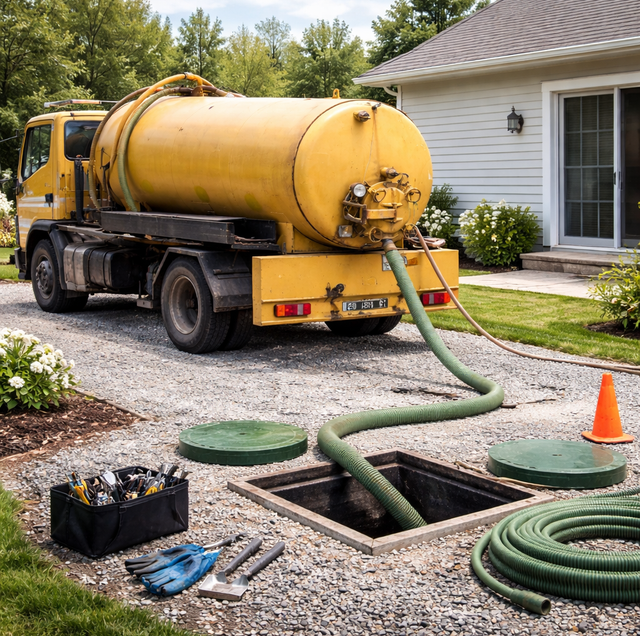
Quick Answer: Good septic maintenance means pumping the tank every 3 to 5 years, keeping harsh chemicals and non-flushables out of your drains, spreading out water use, and protecting the drain field from traffic and roots. Neglecting any of these fronts is what turns a working system into a backup.
A septic system runs on something you never see: a colony of bacteria doing slow, steady work underground. Treat that colony well, and the system can last for decades. Starve it, poison it, or bury it under more water than it can handle, and the same system fails in ways that are messy, unhealthy, and expensive to reverse. The difference between those two outcomes usually comes down to a handful of daily habits.
How A Septic System Actually Works
Before the do's and don'ts make sense, it helps to know what you are protecting. A conventional septic system has three parts working together.
The tank is a buried, watertight container that everything from your drains flows into. Inside, waste separates by weight. Heavy solids sink to the bottom and form sludge. Grease and lighter material float to the top as scum. The relatively clear liquid in the middle, called effluent, is what moves on.
The bacteria live in that tank. They break down the solids the way a compost pile breaks down yard waste, slowly digesting material so the sludge layer builds up more gradually than it otherwise would. These microbes are the engine of the whole system, and they are fragile. They do their job only when the balance inside the tank stays healthy.
The drain field, sometimes called a leach field, is a network of perforated pipes buried in gravel-filled trenches. Effluent leaves the tank and trickles through those pipes into the soil, where a final layer of natural filtering finishes the treatment before the water rejoins the groundwater. The soil itself is part of the machine.
When any of the three parts gets overwhelmed, the trouble shows up somewhere you notice: a slow drain, a smell, or a wet patch in the yard. Most of that trouble is preventable.
The Do's: Habits That Extend The System's Life
Pump The Tank On A Schedule: Bacteria slow the buildup of sludge, but they cannot eliminate it. Over time, the solid layers grow, and once they get thick enough, solids start escaping into the drain field, where they clog the soil and the pipes. That kind of clog is the single most expensive failure a septic system can suffer.
Pumping removes the accumulated sludge and scum before they reach that point. A common interval is every 3 to 5 years, though the right number depends on tank size and how many people live in the home. A large tank serving two people goes longer between pumpings than a smaller tank serving a family of six. Pumping is professional work: it involves specialized equipment and the handling of hazardous material.
Have the System Inspected: An inspection is not the same as a pumping. A professional checks the sludge and scum levels, looks at the baffles and any effluent filter, and watches how the system handles flow. Catching a cracked baffle or an early drain-field issue during a routine visit costs far less than discovering it during a backup.
Conserve Water And Spread Out Laundry: Every gallon that goes down your drains has to pass through the tank and out into the drain field. Push too much water through too fast, and you flush solids out before the bacteria can work on them, and you saturate the soil so it cannot absorb properly. Running five loads of laundry in one afternoon is a classic way to overload the field. Spacing loads across the week, fixing running toilets, and installing efficient fixtures all ease the load.
Keep Detailed Records: Write down when the tank was pumped, what an inspector found, and any repairs. Records tell the next technician exactly what they are walking into, help you predict the next pumping, and answer questions if you ever sell the home.
Protect The Drain Field: The drain field needs air and undisturbed soil to work. Keep it clear of structures, and never drive, park, or build on it, since the weight compacts the soil and crushes the pipes below. Direct roof downspouts and surface runoff away from the field so it is not flooded from above during heavy rain. Grass is the ideal cover; its roots are shallow, and it helps wick moisture.
Use Septic-Safe Products And Know Where Things Are: Products labeled septic-safe are formulated to break down without harming the bacterial balance. It is also worth knowing where your tank and its lid sit, ideally marked on a simple sketch, so a technician is not hunting across the yard on the day you need help fast.
Sketch where your tank and its lid sit and keep that note with your records. On the day you need help fast, a technician will not have to hunt across the yard to find the lid.
The Don'ts: Mistakes That Shorten The System's Life
Don't Flush Anything But Waste And Toilet Paper: The only things that belong in a septic system are human waste and toilet paper, which is designed to break down quickly. Everything else causes problems. So-called flushable wipes do not disintegrate and are a leading cause of clogs. The same goes for feminine hygiene products, paper towels, dental floss, cat litter, cotton swabs, medications, and paint. Meds can pass through and harm the bacteria; the rest simply pile up as solids the system cannot digest.
Don't Pour Grease Or Harsh Chemicals Down The Drain: Cooking grease congeals inside the tank and pipes and thickens the scum layer far faster than normal. Harsh chemicals are worse: bleach in quantity, drain cleaners, solvents, and pesticides kill the bacteria that keep the whole system running. A single bad habit here can set the colony back for weeks, and during that time solids build up unchecked.
Don't Rely On Additives Instead Of Pumping: Store-bought additives are marketed as a way to "restore" a tank or stretch the time between pumpings. A healthy tank already grows the bacteria it needs from normal household use, and no additive removes the sludge and scum that physically accumulate. Only pumping does that. Treating an additive as a substitute for pumping is how a tank quietly fills past its limit.
Don't Overload With A Garbage Disposal: A garbage disposal sends a steady stream of food scraps into the tank, which raises the solids load and can shorten the interval between pumpings by a third or more. If you have a disposal, use it sparingly and expect to pump more often. Composting or trashing food scraps is easier on the system.
Don't Plant Trees Near The Field: Roots seek water, and a drain field is a buffet of it. Trees and large shrubs planted nearby send roots into the pipes, where they clog and crack the lines. Keep woody plants well away from the field and stick to grass over the trenches themselves.
Don't Ignore The Warning Signs: Slow drains throughout the house, gurgling pipes, sewage odors indoors or out, a patch of unusually green or soggy ground over the drain field, or any backup are signals the system needs attention now. Warning signs rarely resolve on their own; they get worse, and a backup is a biohazard that puts sewage where your family lives.
No one should ever open, enter, or lean over a septic tank. The gases inside are toxic and displace oxygen, so a person who leans in can be overcome within seconds, and a tank holds enough liquid to drown in. Aging lids can also collapse under weight, so keep children and vehicles off the area and leave pumping and inspection to trained professionals.
Frequently Asked Questions
Start with your property records or the original permit, which often includes an as-built diagram showing tank placement. On the ground, the tank usually sits along the main sewer line running out from the house, commonly 10 to 25 feet from the foundation. A professional can locate it with a probe or a flushable radio transmitter if paperwork comes up empty, and marking the lid afterward saves that search next time.
A conventional gravity-fed system keeps working during an outage because it relies on slope, not electricity. Systems with a pump chamber or an aerobic treatment unit are different: those depend on electric pumps, and once the holding chamber fills during an outage, wastewater has nowhere to go. If your system has a control panel or an alarm box on an exterior wall, it uses a pump, and you should limit water use until power returns.
An alarm on a pump-equipped system usually means the liquid level has risen higher than normal, often from a failed pump, a stuck float, or simply too much water entering at once. It is not an instant catastrophe, but it means the tank is close to backing up, so stop running water and call a professional. Silencing the alarm without addressing the cause only removes the warning.
Yes. When the soil around the drain field is already saturated from prolonged rain, it cannot accept effluent at the usual rate, so the system slows and can back up temporarily even if nothing is wrong with the tank. Reducing water use during and after heavy rain gives the soil time to drain. Downspouts and grading that send surface water toward the field make this far worse, which is why directing runoff away matters.
A conventional system with a well-kept drain field commonly lasts 20 to 30 years, and the tank itself, if concrete and undamaged, often outlasts that. The drain field is the part that ages out first, usually because of clogging from solids or roots rather than the passage of time alone. Consistent pumping and keeping traffic and roots off the field are what push a system toward the long end of that range.
Septic-safe or "rapid-dissolve" toilet paper is engineered to break apart quickly in water, so it adds less to the sludge layer than thicker or heavily quilted papers that resist breakdown. A simple home test is to drop a sheet in a jar of water and shake it: paper that falls apart within a minute or two is easier on the tank. Multi-ply and "extra soft" products tend to hold together longer and build solids faster.
Book a pump-out or inspection before small problems become a backup — protect the system you already paid for. 3rd Generation Septic serves Lincoln, Pell City, and Talladega. Call (256) 330-6960.
